02 June 2026
The world’s economy depends on the quiet but powerful pulse of the supply chain. Every item you see in a store, every piece made in a factory, and every package that arrives at your home comes from a complicated system of deliveries. For many years, the freight forwarding business has been like the planner of this system, connecting those who send goods with transportation services that cross seas and borders. However, even though transporting cargo today is very advanced, the way the industry works is still often stuck in older methods.
We are currently dealing with a big problem in global trade. Even though the world is all about quick communication and services when we need them, the traditional freight forwarding industry often gets stuck in outdated ways of working, unclear communication, and scattered information. This delay causes a major issue: not being flexible and clear, which ends up costing businesses billions due to late deliveries and inefficiencies. As supply chains become less steady and customers expect more, sticking with old methods is not just a hassle; it puts companies at risk of falling behind.
In this situation, using a strong digital platform is not just an upgrade; it is essential for survival. To understand how we get there and where we are headed, we need to look closely at how the industry works. You can find more information and analysis about the industry by checking out our blog. This resource serves as a hub for understanding the changes happening in global logistics. For now, let's take a look at the problems with traditional methods, the downsides of conventional solutions, and how a transformative approach to freight forwarding is changing the field.
To understand why digital changes are important, we need to look closely at the problems in the current freight forwarding process. The main problem is that everything is scattered. When sending goods internationally, there are many people involved: truck drivers, train companies, shipping lines, customs agents, warehouse supervisors, and airline teams. In a traditional setting, each of these groups works independently, often using disjointed email chains and phone calls to communicate.

This disconnection creates what people call the "black box" effect. Once a shipper gives their cargo to a forwarder, there is often a lot of uncertainty about where those goods are until they arrive at their destination. The forwarder doesn't have a system to keep everything organized, which makes it hard for them to give real-time updates. They end up having to send emails to get information, leading to delayed responses and inaccurate information. In a world where companies like Amazon make us expect real-time updates for everything, including something as small as a toothbrush, not being able to track a huge shipment worth millions is a big issue.
Furthermore, entering data by hand is a major cause of mistakes. When you book a shipment, you have to type the same information into different shipping websites, fill out forms yourself, and cross-referencing spreadsheets. This takes up a lot of time and greatly raises the chances of making a mistake, such as typing the wrong container number, putting the wrong code, or forgetting a deadline. These errors can cause big delays, extra charges, or even losing the cargo.Implementing a rigorous freight documentation checklist is one way to mitigate errors, but manual verification is slow. In a time when getting things right is super important, the chances of making mistakes with manual work are very high. Depending on "tribal knowledge," which is information that senior employees remember instead of being in a system, makes things worse. This is a problem if those employees leave the company.
These operational issues have a profound impact on freight forwarders. Today’s marketplace demands speed, transparency, and flexibility. Shippers no longer accept vague updates; they want detailed tracking that includes the exact location of their container.
When freight forwarders can't fulfill these needs because they lack the right software, they lose their competitive edge. They risk becoming just another option, judged mainly on price instead of the quality of their services. Without the ability to give quick quotes and up-to-date tracking, they can lose the trust of their customers. In a field where building strong relationships is crucial, losing a key client’s trust can be very damaging. Customers are starting to wonder, “If I can track my pizza, why can't I track where my pallet is? ” Forwarders who can't answer these questions may find their clients turning to competitors who use better technology.
Moreover, the costs of keeping manual processes running are too high to manage. Employees use about 40% of their time inputting data instead of focusing on solving big problems or growing the business. This waste of time reduces profits and makes it difficult for smaller and mid-sized shipping companies to compete with larger firms that can invest in their own technology. Without a flexible digital system, their growth incurs higher costs and hinders efficient business expansion. They end up in a loop where they need to hire more workers to increase their workload instead of using technology to manage more work with the same team.
Besides, the job market is evolving. Younger professionals who know about logistics and are entering the job market want to work with up-to-date tools. If they have to use old systems, it makes them unhappy and leads to a lot of people quitting, which makes operations unstable. Not being able to attract the best talent because of outdated technology is a major, but often overlooked, consequence of not embracing digital changes.
The transportation industry recognizes these difficulties. For a long time, the typical response has been to use various software tools that don’t really work together. This could mean using a simple Transportation Management System (TMS) in one place, a tool for emails in another, or depending on different carrier websites. But these random solutions aren’t solving the deeper problems.
A lot of outdated systems function as digital filing cabinets. They can keep information, but they don’t really make sense of it or connect it. A regular TMS might help a freight forwarder handle a booking, but it usually doesn’t work well with the carrier’s system or customs. Users have to step in to move information from one website to another manually. This doesn’t make things easier; it just changes the work from paper to digital.
Additionally, numerous digital freight forwarding tools are now available as "walled gardens.” They are set up to help just one carrier or a big company, often leaving out the many partners needed for a flexible supply chain. These rigid systems are not designed to function effectively in modern logistics. If a forwarder is using a platform that only connects to a few shipping lines, they will have very few options for routes and won't be able to get the best rates for their clients.
In addition, just using new technology without changing how work is done usually results in "shelf-ware." This is software that costs a lot of money but isn't used much because it's too difficult to use, too awkward, or doesn't fit well into what the operations team does every day. What we really need is more than just another tool. We need a complete system that brings together all the different trends in logistics technology into one easy-to-use platform that can communicate with the other systems in the supply chain.
The key to success is relying on a complete digital system, not individual tools. WTCalliance is the best example of this change, providing a way to not just manage processes but to be a helpful partner in growing businesses.We invite you to explore our product to see the full scope of our capabilities. With a single platform, freight forwarders can break down barriers that slow them down and enable smooth information sharing.
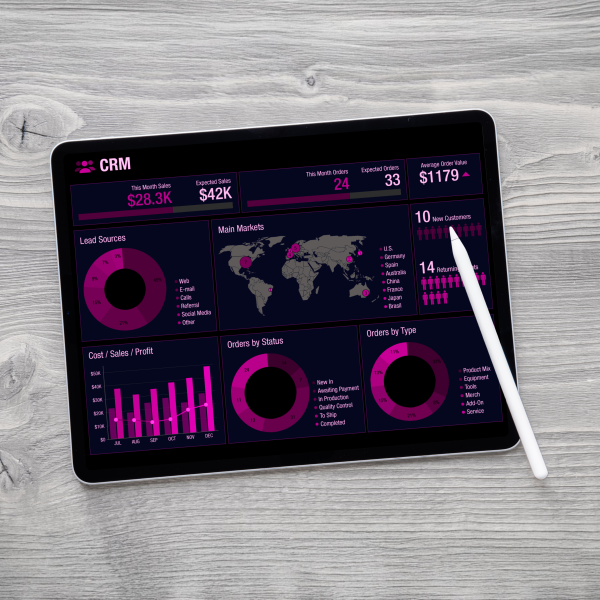
The WTCalliance platform is built around easy connectivity. It serves like a digital nervous system, linking freight forwarders, carriers, and customers instantly. This system allows for online freight booking that is quick, correct, and clear. Instead of having to wait several days for a quote through email, users can find competitive rates and book space in just a few minutes. This greatly shortens the time from booking to getting paid, helping improve cash flow and the speed of operations.
By utilizing its all-in-one freight visibility platform, WTCalliance is helping to bridge the gap in tracking. Users need not to keep asking for updates anymore as this system combines data from shipping companies, GPS equipment and port schedules to provide a complete picture of shipments at any given time. Because of this clear view, forwarders can take action before problems arise instead of just reacting to them. If there's a delay at a shipping stop, the platform can alert the forwarder right away, giving them the chance to change the shipment's route or let the customer know about the delay ahead of time.
This all-in-one method also fixes the issue of merging data from different sources. Strong API features on the WTCalliance platform enable data entry and data dissemination, ensuring that all relevant documents and systems are updated automatically when entered. This means staff don’t have to re-enter data, which greatly lowers mistakes and allows them more time to help customers and solve complex issues.
The use of a system like WTCalliance is an excellent demonstration of how digital changes can enhance logistics. It goes further than just making information digital; it uses digital data to help businesses work better. This change gives shipping companies an important edge in a busy market.
To begin with, analyzing data becomes a really strong tool. WTCalliance gathers shipping information in one place, which helps shippers look at past performance, find problems, and improve shipping routes. Shippers can give their customers useful information, like which entry port usually has the fastest processing times or which delivery service is most reliable during busy times. This turns the discussion from just asking about costs to asking how to make the supply chain work better.
Next, the platform improves following rules and managing risks. With global trade rules always changing, keeping track of these rules can be very frustrating with manual processes. WTCalliance includes checks for regulations during the booking process, making sure all paperwork is done right before the cargo goes. This automated system greatly lowers the chances of customs delays and fines, giving confidence to both the shipper and the customer.
For anyone wanting to keep up with trends in logistics technology, using a platform-based approach is very important. The industry is heading towards more automation, artificial intelligence, and blockchain technology. WTCalliance is designed to support these future improvements, ensuring that shippers are not just fixing today's issues but are also ready for tomorrow's problems. Staying updated on these changes is important, and checking resources like the WTCalliance blog can help professionals stay informed.
WTCalliance stands out in the busy world of freight forwarding software because it emphasizes community and connection. Unlike software that works alone and keeps users isolated, WTCalliance acts like a teamwork network. It knows that a freight forwarder gets stronger with good partners around them. The platform creates a space where forwarders can work together, share resources, and help each other, reflecting the teamwork that is key in this field while using modern technology.
The platform is made with the user in mind, making it easier for operations teams to learn how to use it. It takes care of boring tasks that slow people down, like making documents and sending status updates. This allows team members to spend their time on what’s really important: making connections and tackling tricky logistics problems.
With WTCalliance, forwarders can provide their customers with service that usually only big global companies can offer. Whether it’s allowing quick online freight booking or real-time tracking through an advanced visibility platform, WTCalliance makes things fair for everyone. It helps forwarders take back their role as the main coordinators of the supply chain, armed with the digital tools they need to handle the challenges of today’s trade.
According to a recent study by McKinsey & Company, the logistics sector is rapidly adopting digital technology. The utilization of digital platforms by businesses is leading to increased profits and happier customers. According to the study, logistics digital pioneers are not only reducing expenses but also creating new business ideas and value-creating opportunities. You can learn more about how digital changes are affecting logistics by visiting the McKinsey & Company website. This outside support shows that the move to digital platforms isn’t just a temporary change; it's a major transformation in how goods are transported around the world.
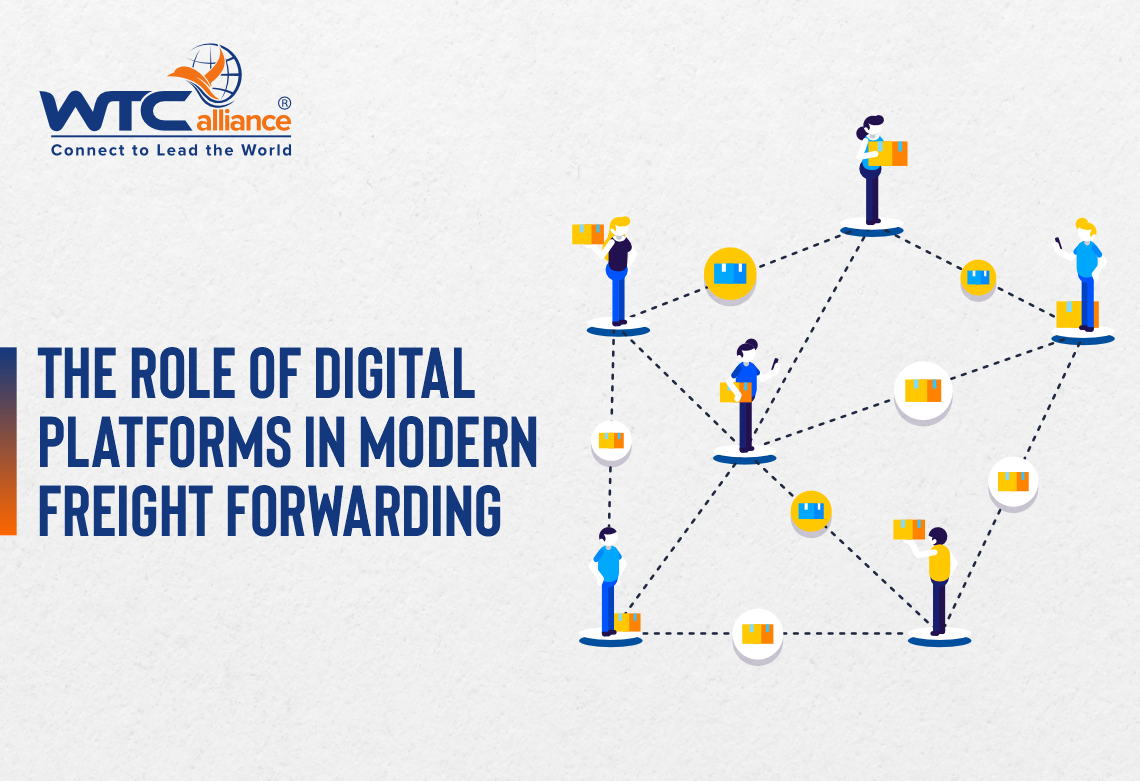
The importance of digital platforms in today’s freight forwarding is huge. They are driving changes in an industry that's going through a big shift. The time for old-fashioned, unclear, and scattered logistics is coming to an end. As the demand for quick, clear, and efficient service grows, those who stick to old ways will be left behind.
The solution is clear. We need to go beyond small fixes and start using a complete digital platform that covers all parts of shipping. WTCalliance offers this kind of solution with a strong, flexible, and user-friendly system that gives power back to the freight forwarders. By taking care of routine tasks and making complex information clear, WTCalliance allows logistics experts to concentrate on what they do best: keeping everything moving smoothly.
Switching to digital freight forwarding is a smart move for the future of your business. It helps create a strong operation that can handle global challenges and meet customers’ needs. The technology is available, the advantages are clear, and the time to make a change is right now. Don’t let outdated processes hold your business down. The future of freight forwarding is digital, connected, and working together.
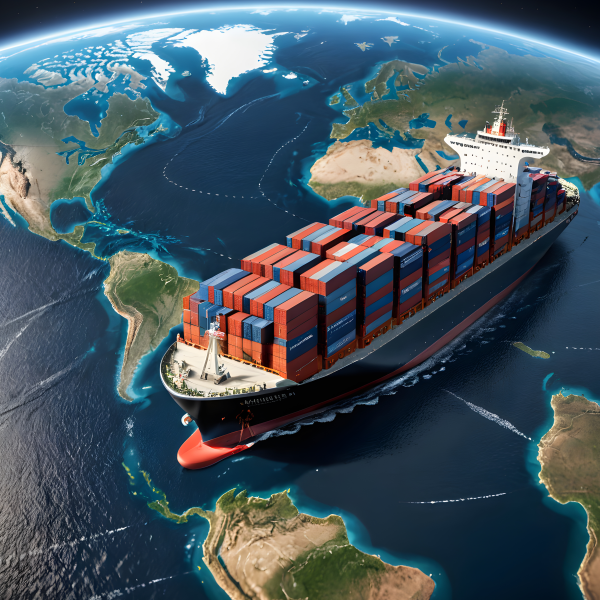
Are you ready to transform your logistics operations and join the future of digital freight forwarding? Become a part of the WTCalliance network today. Gain access to cutting-edge freight forwarding software, connect with a global network or partners, and deliver the visibility that your clients require.
Click here to join WTCalliance and start your journey towards operational excellence. For more details on how we are reshaping the industry, visit our blog.
Copyright © 2026 All Rights Reserved by WORLD TOP CARGO ALLIANCE LTD
Design and Developed by infinGlobal