
.jpeg)
03 March 2026
Moving products internationally is an important challenge for today's businesses, and choosing between sea freight and air freight is rarely easy. The problem is finding a balance between cost, speed, sustainability, and dependability while meeting the demands of the shipment and strategic goals. This comprehensive blog discusses the distinction between sea freight as well as air freight, investigates the reason the choice matters to forwarders, and examines how networks such as WTCalliance offer practical, scalable solutions over shippers to navigate global markets.
For companies exporting globally, the classic "sea freight vs. air freight" decision is unavoidable. Businesses routinely ask:
As international transportation methods evolve, this decision influences everything from customer happiness, cash flow, and carbon footprint. Freight forwarders, who must guide clients through this maze, often struggle to find the best solution to complex real-world requirements. The stakes in making the right decision are higher than ever, with changing demands from customers as well as supply chain pressures.
Air freight is known for its speed, delivering products in as little as 1-7 days - a significant benefit for urgent, valuable shipments. Sea freight, while slower (varying from 14 to 40 or more days, depending on channels & congestion), excels in large, planned consignments of non-perishable goods.
In terms of cost structure, the difference between sea freight and also air freight is significant. Sea freight rates are constant and much lower, which is beneficial for huge or high-volume shipments. Air freight can be 12-15 times more expensive per kg due to fuel costs, airport fees, & premium service. This makes air freight more financially viable for lightweight, urgent, or high-value goods.
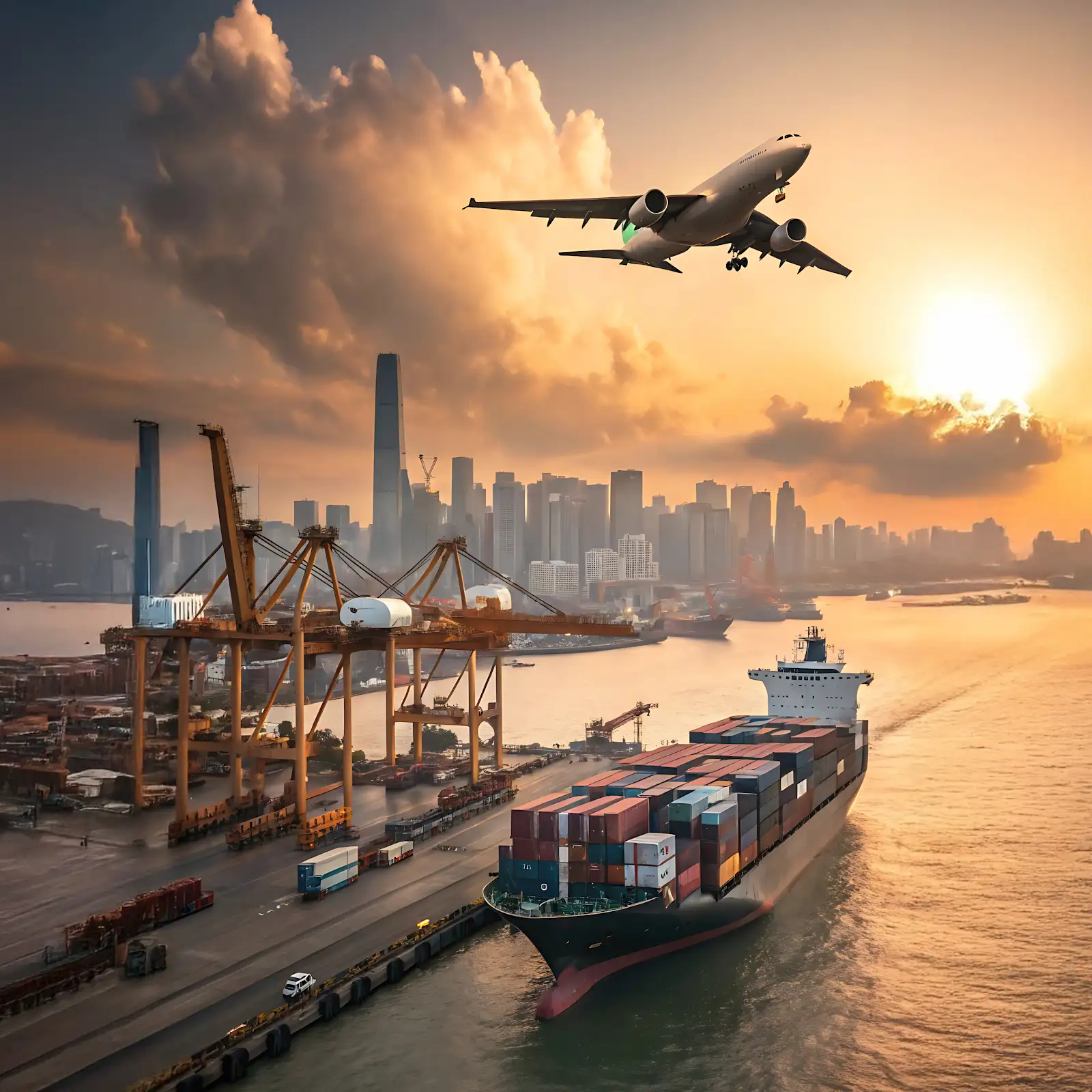
Cargo planes are size and weight limited, capable of transporting up to a couple hundred thousand pounds per flight, making them ideal for electronics, luxury items, and pharmaceutical products. Ships, on the other hand, can transport thousands of containers weighing up to 50,000 pounds each, making sea shipping ideal for huge machinery, bulk raw materials, and large-scale inventories.
One aspect often ignored by shippers is sustainability. Sea freight has the lowest carbon footprint per kilogram carried, whereas air freight produces significantly more greenhouse gases. Eco-conscious brands may prefer sea freight to comply with long-term environmental plans.
Air freight is distinguished by efficient handling, enhanced security, and quick departures, making it flexible and dependable even for last minute shipments. Sea freight follows set times and faces risks of delays caused by port congestion and weather, although this is trusted for large shipments with moderate security needs. Both modes require strict documentation and customs compliance, but air cargo is simplified for quick clearance.
Freight forwarders are on the front lines when clients are looking for the best shipping routes. Here's why the sea freight vs air freight issue is so important:
.jpeg)
Traditional freight management methods only partially address the issue. The shortcomings of basic cost databases, online calculators, and rudimentary scheduling modules are:
To address industry-wide difficulties, FIATA's global freight forwarding recommendations encourage using sophisticated technologies and strong agent networks to improve supply chain resilience.
WTCalliance stands out as the world's most powerful and dependable network of independent freight forwarders. With over 1,000 members in more than 120 countries, the WTCalliance's holistic approach combines knowledge sharing, technology, and global reach:
Unlike fragmented transportation platforms, WTCalliance's global alliance offers:
To learn more about recent WTCalliance milestones and events, visit our official network updates page.
When to Choose Airfreight
When Sea Freight is Superior
Selecting the proper shipping method which is the best blend between sea freight and air freight necessitates a lot more than transit rapidity and price comparison. Active engagement with a vibrant network of skilled freight forwarders is necessary, as is strategic understanding of the distinctions between air and sea freight. Shippers can successfully manage the benefits and drawbacks of air and sea freight, including capacity, cost, sustainability, and flexibility, by working with reliable partners like WTCalliance.
Are you ready to maximize the international shipping techniques for your business? Join WTCalliance today to connect with top independent freight forwarders, gain real-time logistics intelligence, & streamline your worldwide shipments for growth and security.
Copyright © 2026 All Rights Reserved by WORLD TOP CARGO ALLIANCE LTD
Design and Developed by infinGlobal